
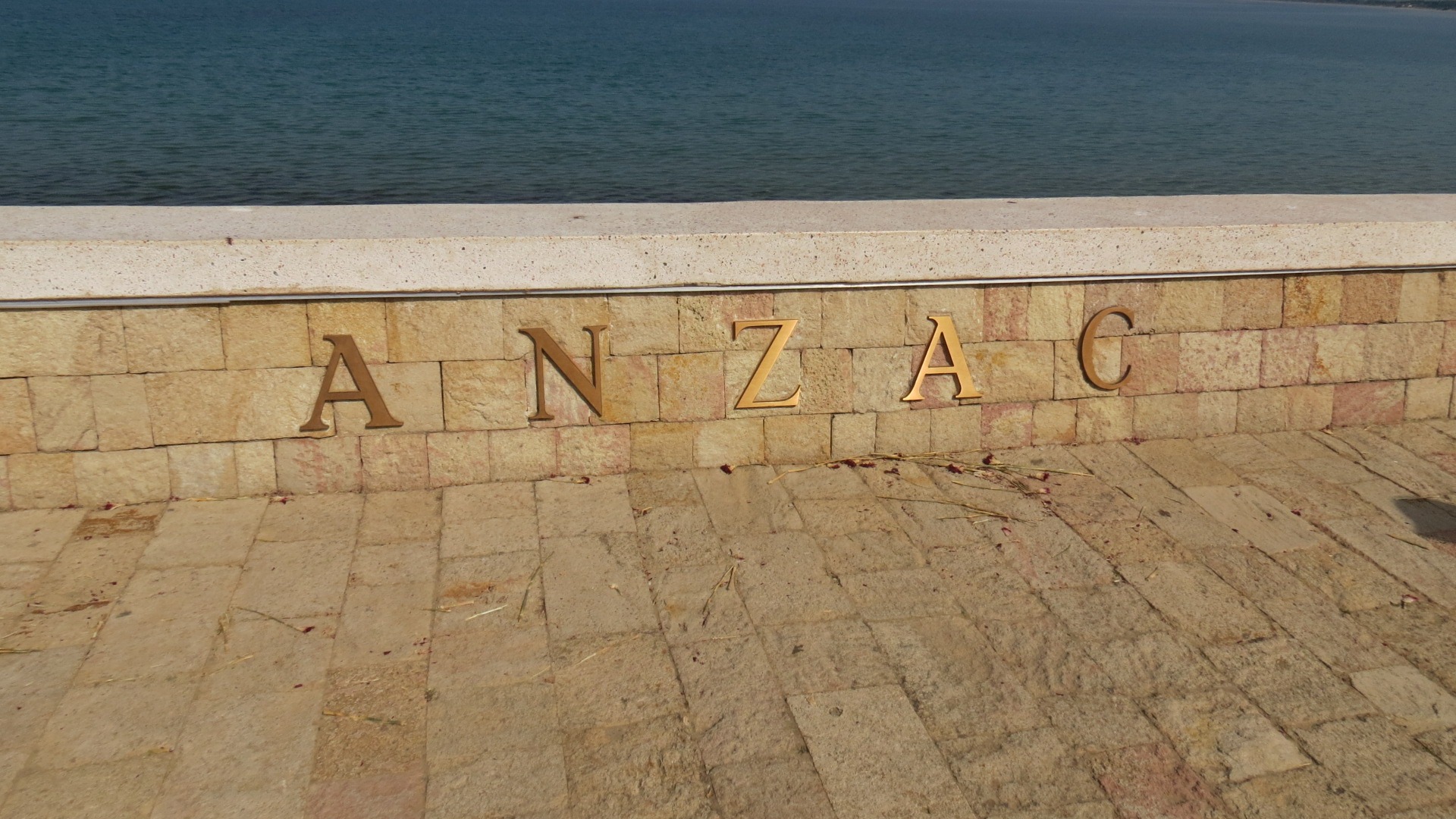
25th April was once again ANZAC Day. The 25th April was the date on which the first troops landed on the Gallipoli Peninsular, and has become the date much celebrated and commemorated in Australian history.
If you speak with an Australian today, the chances are that he will be surprised when you tell him that the number of British troops at Gallipoli far outweighed the number of Aussies and New Zealanders deployed, and if you then mention how many French troops were in action at Gallipoli, he probably won’t believe you.
The myth of Australian sacrifice at Gallipoli has come to dominate the narrative of the Gallipoli campaign, and especially the idea that so many young Australians were sent to their death by uncaring British Generals – a view that is not correct and yet, like Blackadder, it is a view of the Great War that prevails in many minds.
The Gallipoli Association state; ‘The Allies sent about 559,000 personnel during the whole campaign, of whom 420,000 were British and Empire troops, 80,000 French, 50,000 Australians and 9,000 New Zealanders.
The Allies had over 250,000 casualties; of these approximately 58,000 died, including 29,500 from Britain and Ireland, over 12,000 from France, 11,000 from Australia and New Zealand and 1,500 from India. The remaining casualties were wounded or sick; approximately 140,000 from Britain and Ireland, 30,000 from France, 25,000 from Australia and New Zealand and 3,500 from India. Of the 58,000 Allied troops who died, only 11,000 have known graves on the Gallipoli peninsula. Others simply have their names inscribed on memorials.’
‘The Ottoman forces suffered even more. They had more than 300,000 casualties, of which over 87,000 died. There are few known Ottoman graves on the peninsula but, like the Allies, several memorials commemorate the missing.’
I have been fortunate to visit Gallipoli twice, in 2019 and again in 2022, and here are a selection of my ANZAC memorial photographs.
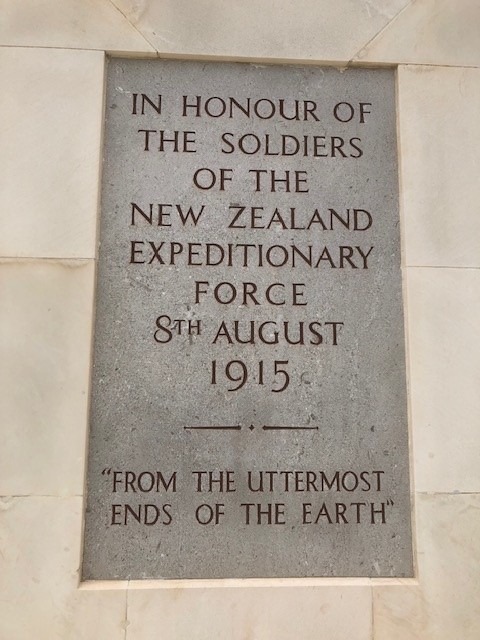
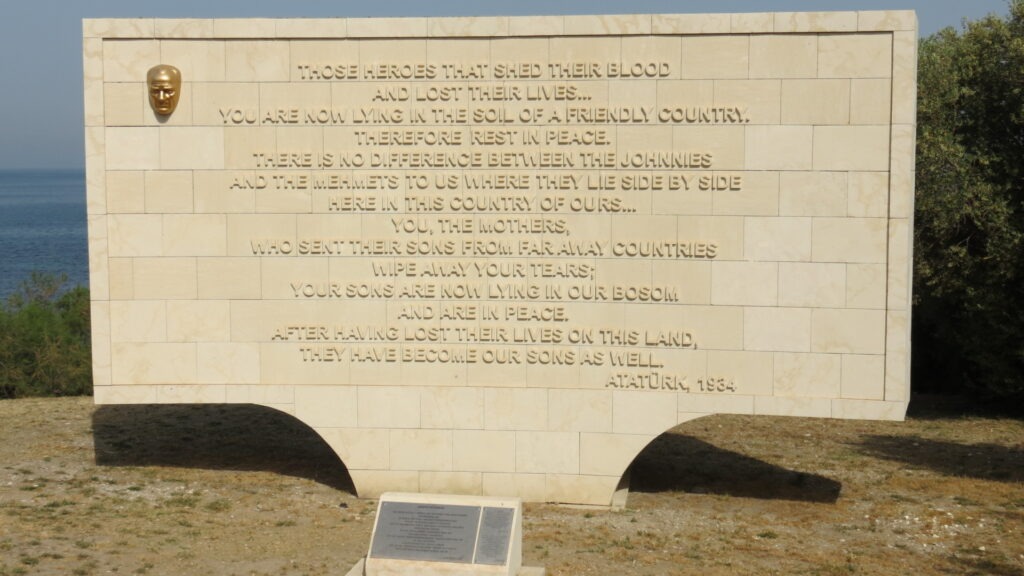
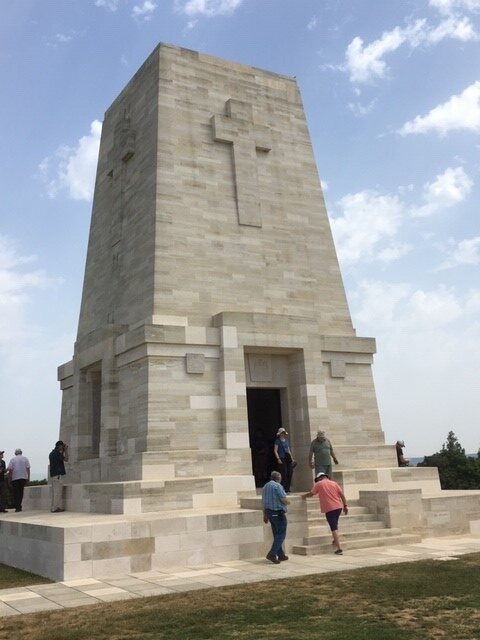
The Australian myth, often intertwined with the ANZAC legend, is a powerful narrative that has shaped the nation’s identity for over a century. At its heart, it celebrates qualities such as courage, mateship, resilience, and a laconic sense of humour in the face of adversity. While these values are not unique to Australians, the ANZAC story has become a defining lens through which the nation sees itself.
The origins of the ANZAC legend lie in the Gallipoli campaign of 1915, during the First World War. The Australian and New Zealand Army Corps (ANZAC) landed on the Gallipoli Peninsula on 25th April, tasked with securing the Dardanelles. The campaign was a military failure, resulting in heavy casualties and eventual withdrawal. Yet, despite the defeat, stories emerged of extraordinary bravery, endurance, and camaraderie among the soldiers. These accounts resonated deeply with Australians back home, who saw in them a reflection of the pioneering spirit that had helped build the young nation.
Over time, the Gallipoli experience was elevated into a national myth. The ANZAC soldier was portrayed as resourceful, egalitarian, and fiercely loyal to his mates. This image contrasted with the rigid class structures of Britain and reinforced the idea of Australians as independent and pragmatic people. The myth also suggested that Australia had “come of age” on the battlefields of Gallipoli, proving itself on the world stage.
ANZAC Day, first observed in 1916, became the central occasion for commemorating this legacy. Initially, it was a day of mourning for those who had fallen at Gallipoli. As the years passed, it expanded to honour all Australians who served and died in wars, conflicts, and peacekeeping operations. The day is marked by dawn services, marches of veterans and service personnel, and moments of silence. The dawn service, in particular, holds deep symbolism, recalling the pre-dawn landing at Gallipoli and offering a quiet, reflective space for remembrance.
The ANZAC myth has not been without its critics. Some historians argue that it romanticises war and overlooks the diversity of Australia’s wartime experiences, including the roles of women, Indigenous Australians, and those who opposed the war. Others point out that the focus on Gallipoli can overshadow other significant battles and contributions, such as those on the Western Front or in the Pacific during the Second World War.
In recent decades, there has been a conscious effort to broaden the narrative. Modern commemorations often acknowledge the complexity of war, the suffering it causes, and the many different ways Australians have served. This shift reflects a more inclusive understanding of national identity—one that honours the ANZAC spirit while recognising that it is only one part of Australia’s story.
Today, ANZAC Day remains one of the most significant dates on the Australian calendar. It is both a solemn remembrance and a reaffirmation of shared values. The Australian myth, shaped in part by the ANZAC legend, continues to evolve—reflecting not only the past but also the aspirations of a more diverse and changing nation.
The Man of ANZAC
By C.J. Dennis
The song of the day is a song of the fray,
And a song of the sword and the spear;
But the song of the man is the song that I scan,
With a feeling that’s kin to a tear.
The glory of fight is a luminous light,
But it blinds us to many a woe;
And the story of war is a story of gore,
And of cruel, unforgiving blow.
But the song of the day, with its glamour and play,
And its glitter of steel and of gold,
Is a song of the heart, that will never depart,
While the tale of the ANZAC is told.
For he went to the fight in the strength of his might,
And he battled with heart and with hand;
And he died for the right, in the dawn of the light,
For the sake of his own native land.
Then fill up the glass, and let the toast pass,
With a cheer for the man of the gun;
For the heart of the brave, who has found him a grave,
And the glorious battle he won.
For the song of the day is a song of the fray,
And a song of the sword and the spear;
But the song of the man is the song that I scan,
With a feeling that’s kin to a tear.