
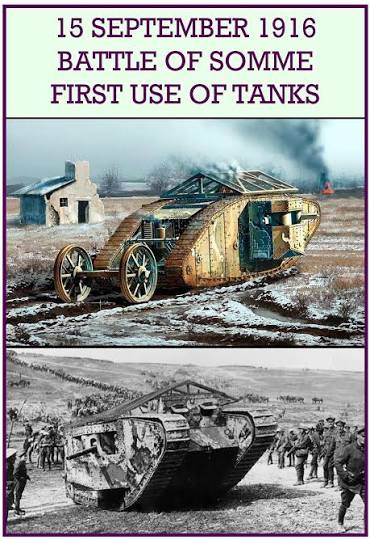
It is now 110 years since 1916 dawned, the year of the Irish Easter Uprising, the opening of the Somme offensive and the disastrous diversionary attacks at Gommecourt and Fromelles. For the French army, February would see the start of the German onslaught at Verdun.
I believe that 1916 was a pivotal year in the Great War and although the casualty lists for both sides were huge, the German losses at Verdun and the Somme saw the death of the ‘Old German’ army.
The losses in experienced men would never be made up during the course of the war, although, the German army would remain formidable, it would weaken slowly but surely until November 1918, when the entire birth year of young men born in 1900 was committed at the front.
The revisionist historians of the 21st century will argue that this justified Sir Douglas Haig’s war of attrition, but that is a debate for another day.
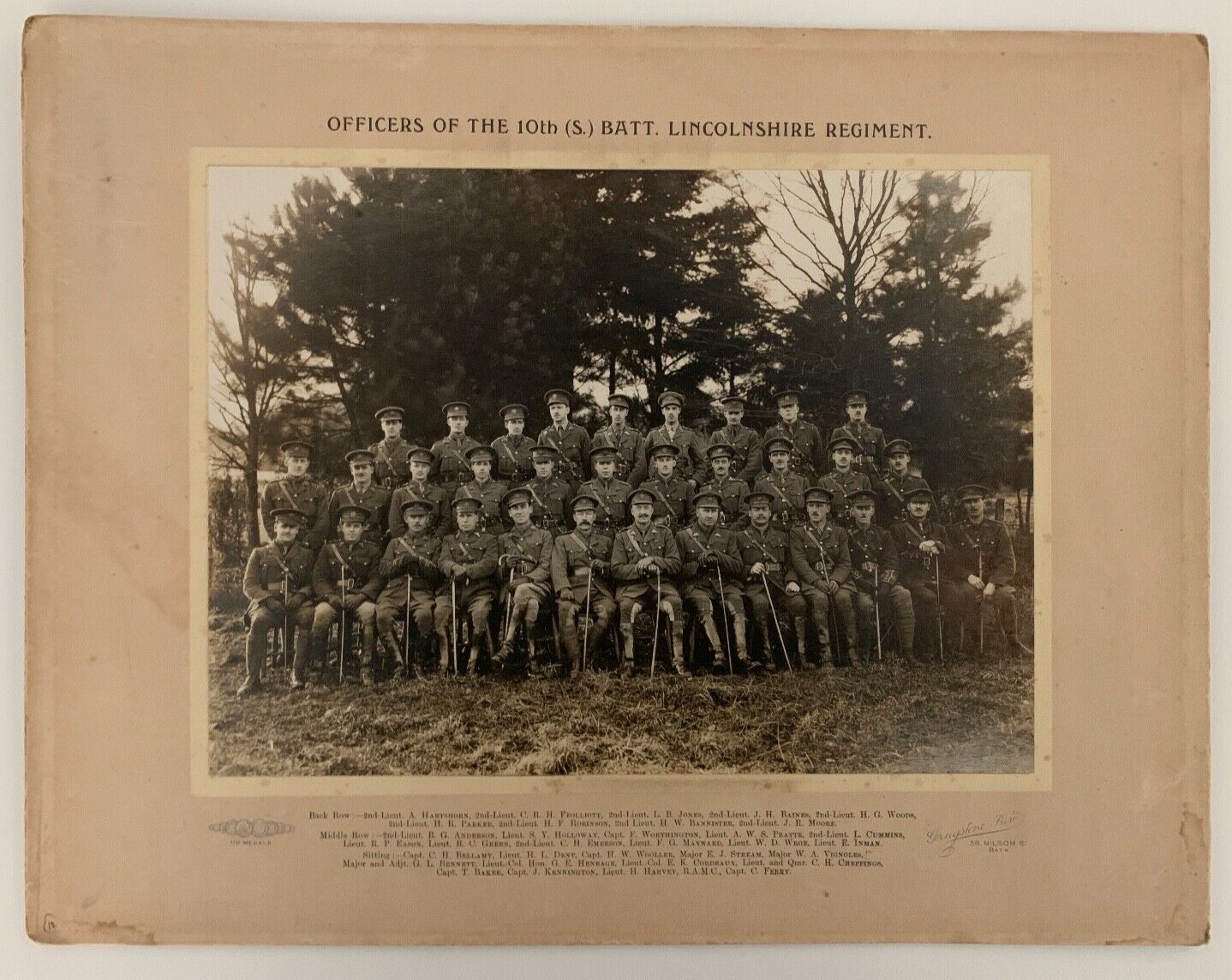
My mind turned to January 1916 and I thought that I would pen a few lines about the Lincolnshire Regiment and what their battalions were engaged in at the start of the New Year.
1st and 2nd Battalions
- Both regular battalions had been on the Western Front since 1914, having fought in early battles such as Mons and the First Battle of Ypres.
- In January 1916 they were holding trenches, rotating through front-line, support and rest positions in the British Expeditionary Force’s sector (northern France/Belgium), conducting trench warfare, routine patrols, repair work and training between tours in the line.
- Detailed war diaries for these units record typical trench duties rather than major offensives at this stage of the war.
Territorial Battalions (1/4th & 1/5th
1/4th and 1/5th (TF) — Part of 138th (Lincoln and Leicester) Brigade, 46th (North Midland) Division
- In January 1916, these territorial battalions were not in the trenches on the Western Front. After their serious mauling at the Hohenzollern Redoubt, the previous October, they were part of a division ordered to move from France to Egypt in early January.
- 7 January 1916: The 46th Division (including 1/4th and 1/5th Lincolns) left Marseilles for Egypt as part of strategic redistribution of forces.
- They landed at Alexandria around mid-January, went into camp and acclimatisation duties, then the order was reversed and they re-embarked for France in early February (1/5th subsequently landed in France on 9 February 1916).

Service Battalions (Kitchener New Army units)
10th (Service) Battalion — “Grimsby Chums”
- This Kitchener unit was part of the 101st Brigade, 34th Division.
- January 1916 was significant for them: the 10th Battalion was arriving in France from training in the UK at this time.
- They began their service in the trenches in early February 1916 after acclimatisation and movement forward.
- Their first months in France involved learning trench warfare, working parties, fatigue duties, and occasional tours in the line ahead of their first major battle later that year (the Somme).
6th (Service) Battalion
- Previously evacuated from Gallipoli in late 1915, they arrived in Egypt in January 1916 as part of redeployment after Gallipoli.
- Their immediate duties would have been rest, refit, training, and garrison duties in Egypt — not yet committed to the Western Front until later in the year.
7th and 8th (Service) Battalions
- Both battalions were on the Western Front having arrived in the summer of 1915. The 8th battalion was particularly hard hit at Loos the previous September.

9th and 11th (Reserve) Battalions.
- Both battalions were in the UK training new recruits to be drafted to the fighting battalions.
Reserve, Second Line & Home Service Units
2/4th, 2/5th, 3/4th 3/5th, and other non-first line battalions
- In January 1916, 2nd Line territorial battalions (2/4th, 2/5th) were still training in the UK in preparation for overseas service (they would go overseas later in the war).
- Reserve and training battalions remained at home, processing reinforcements and supplying drafts to front line units.
1st Garrison Battalion.
- Was formed in 1915 and moved to India in October where it remained for the duration of the war.
Leave a Reply