

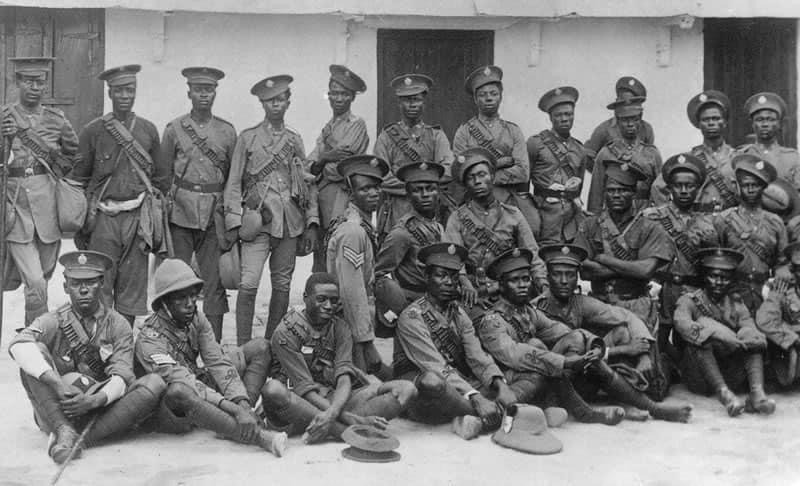
Jan Smuts took command of British and Imperial forces in the East African campaign of the First World War, marking a turning point in a long and frustrating conflict. Until Smuts’s arrival, Allied efforts against the German commander Paul von Lettow-Vorbeck had been hampered by poor coordination, disease, and difficult terrain. The campaign had dragged on with limited success, draining resources while achieving few decisive results.
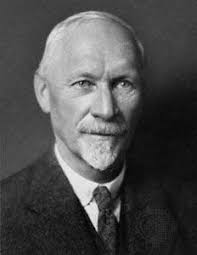
Smuts brought both political authority and military experience to the theatre. A former Boer general who had fought against Britain only a decade earlier, he now commanded British, South African, Indian, and African troops in a vast and inhospitable region. His appointment reflected the seriousness with which the British government now viewed the East African front and its desire to end the campaign swiftly. Smuts reorganised the forces under his command, improving logistics and planning a large-scale offensive designed to overwhelm the Germans through numerical superiority.
Under Smuts’s leadership, Allied troops advanced from Kenya into German East Africa (modern-day Tanzania), capturing key towns such as Moshi and driving German forces southward. However, despite early successes, the campaign proved more difficult than anticipated. The climate, shortages of supplies, and outbreaks of disease caused heavy casualties, often exceeding those from combat. Moreover, Lettow-Vorbeck avoided decisive battles, retreating deeper into the interior and continuing guerrilla warfare.
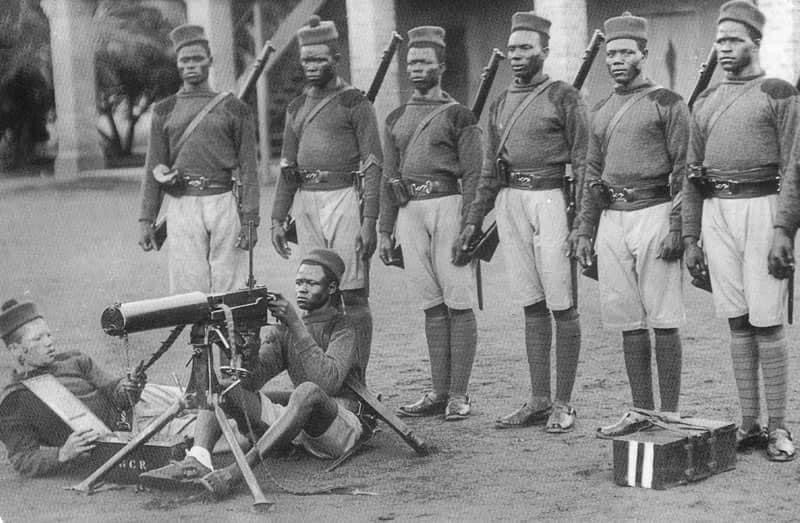
Although Smuts failed to achieve a quick victory, his assumption of command reshaped the campaign. He forced the Germans onto the defensive and established the conditions for continued Allied pressure. Smuts’s leadership in East Africa demonstrated both the possibilities and limitations of imperial warfare in challenging environments during the First World War.

Leave a Reply